 Pin it
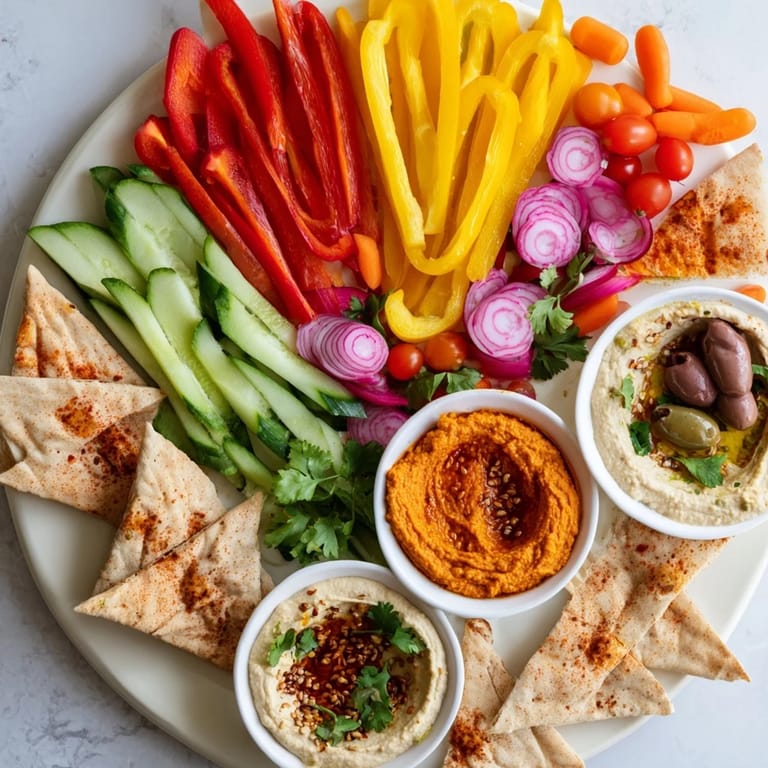
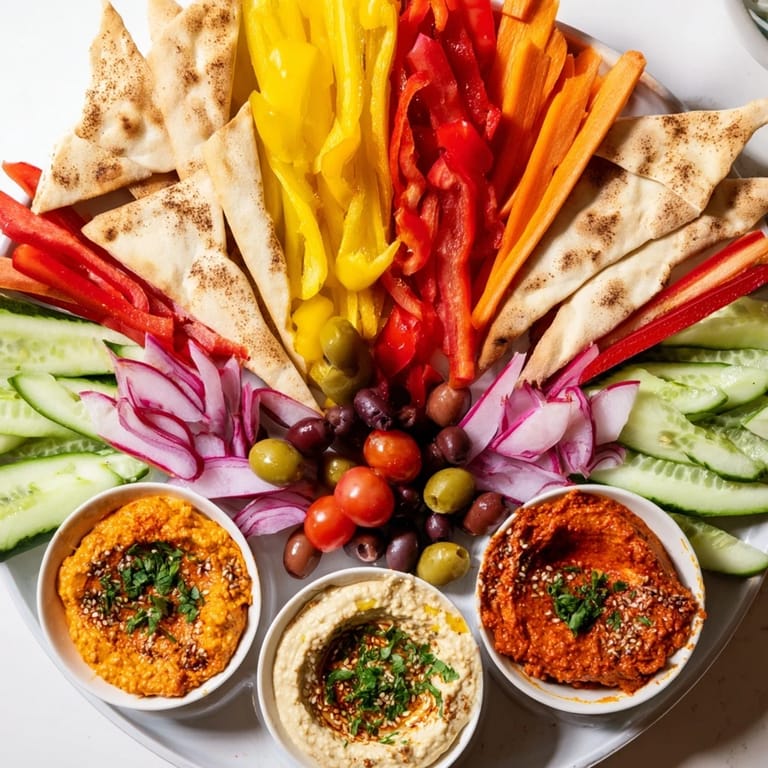
 The first time I made this tent, my dinner guests arrived early and caught me mid-arrangement, vegetables scattered everywhere and me frantically fanning out pita triangles like I was conducting an orchestra. It turned out to be the perfect moment—watching someone's face light up when they realized the whole platter was edible architecture became the whole point of the dish. Since then, whenever I need something that feels both effortless and impressive, I reach for this Moroccan-inspired platter that somehow makes entertaining feel less like work and more like play.
I made this for my sister's book club once, and halfway through the evening, someone asked if it was actually traditional Moroccan or if I'd invented it just for the visual. The honest answer was somewhere in between, which somehow made everyone relax and actually enjoy their food instead of critiquing it. That's when I realized the tent shape isn't really about authenticity—it's about permission to have fun while eating something genuinely delicious.
Ingredients
- Cucumber: Cut lengthwise so the slices catch light and add that cool, watery crunch that keeps everything from feeling too rich.
- Bell peppers (red and yellow): The color contrast is half the magic here, and they stay crisp enough to actually dip without falling apart.
- Carrots: Cut into sticks that are sturdy enough to scoop dip without snapping—thinner than you'd think, honestly.
- Cherry tomatoes: Halved so guests can pop them whole or use them as little flavor bursts between dips.
- Red onion: Thinly sliced to stay raw and peppery, adding a brightness that cuts through the richness of the dips.
- Radishes: Underrated and often forgotten, but they add bite and that surprising peppery snap people never see coming.
- Pita or msemen: Warming them slightly makes them pliable enough to fold around dip without cracking, and it brings out their subtle nuttiness.
- Hummus, muhammara, and baba ganoush: These three are the real event—buy good quality or make them yourself if you have time, because they're tasting what guests remember most.
- Olives, cilantro, sesame seeds, cumin, and smoked paprika: These garnishes aren't just decoration—they're flavor bookends that tie the whole thing together and make people wonder what secret ingredient you used.
Tired of Takeout? 🥡
Get 10 meals you can make faster than delivery arrives. Seriously.
One email. No spam. Unsubscribe anytime.
Instructions
- Prep and slice everything:
- Wash and cut your vegetables into pieces that are easy to hold and dip, keeping them roughly the same size so the platter looks intentional. Work quickly so nothing sits around getting sad and droopy.
- Build the tent canopy:
- Arrange your vegetables in pointed, triangular groupings that radiate from the center, alternating colors as you go so your eye keeps moving. Think of it like building a very edible, very delicious pyramid.
- Warm and cut the flatbreads:
- Toast your pita or msemen briefly in a dry skillet or oven until they're just warm enough to be pliable. Cut into triangles and fan them out at the base of your vegetable tent like you're setting the table for tiny guests.
- Prepare the dips:
- Spoon each dip into its own small bowl and give them a light sprinkle of cumin, smoked paprika, and toasted sesame seeds. This is where the magic deepens—the warm spices wake up the flavors and make everything smell like a Marrakech market.
- Final garnish and serve:
- Scatter olives and fresh herbs across the platter with a confident hand, then step back and let people approach it with wonder. Serve everything at room temperature so flavors can actually speak.
 Pin it
 There's a moment during every gathering where someone asks to take a photo before anyone touches it, and I used to worry that meant no one would actually eat it. Now I know that moment is part of the whole experience—the platter gets to be beautiful first, nourishing second, and somehow that makes people more present when they finally dive in.
Making It Your Own
The vegetables I've listed are a starting point, not a mandate. Snap peas, blanched green beans, thin slices of fennel, roasted chickpeas—whatever's fresh or whatever you have in your kitchen works here. The tent structure is flexible enough to hold whatever you want it to hold, and that's part of why it stays interesting even after you've made it a dozen times.
Scaling and Serving
This platter is forgiving about numbers—double the vegetables if you're feeding more people, keep the dips the same volume because a little goes a long way and guests always seem surprised by how much they consume. The whole thing comes together in about 35 minutes if you don't overthink the arrangement, which honestly is the secret to keeping yourself from stress-cooking.
Variations and Dietary Adjustments
Swap store-bought dips for homemade if you want to control salt and spice levels, or add roasted chickpeas and marinated feta cubes for extra texture and protein. For vegan versions, just double-check that your dips and flatbreads are dairy-free, which most store-bought versions are these days but it's worth confirming before guests arrive.
- Make it ahead by prepping vegetables the morning of, then arrange and garnish just before guests arrive so everything tastes its best.
- Pair with Moroccan mint tea for a complete experience, or crack open a crisp white wine if you're in that mood.
- Always keep extra flatbread warming in the oven because guests always want more than you think they will.
 Pin it
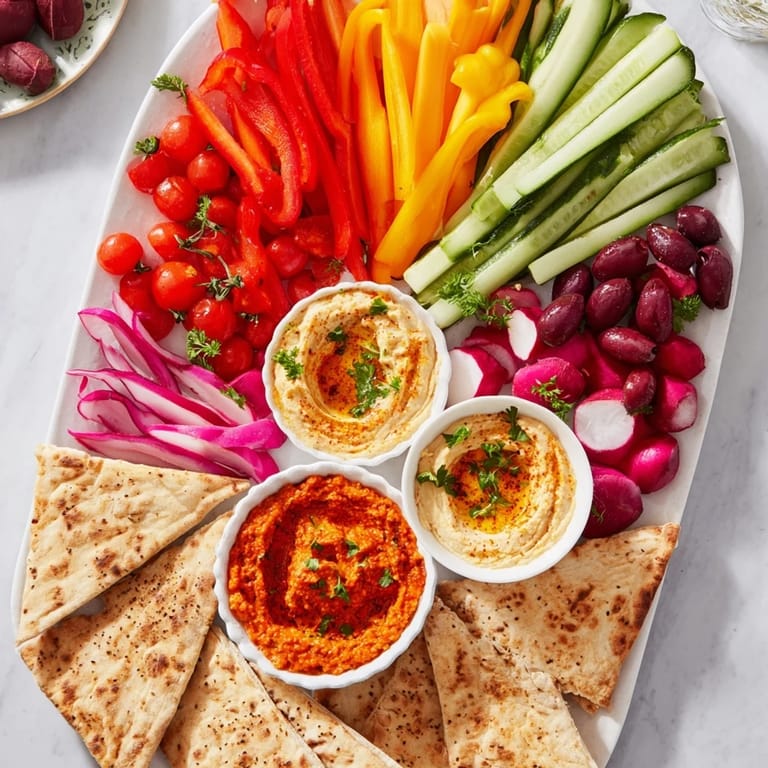
 This tent has become my answer to the question of how to feed people without feeling like you've surrendered your whole evening to the kitchen. It's beautiful, it tastes like travel and spice, and everyone leaves feeling like they had something genuinely special.