 Pin it
 I discovered the magic of a solo charcuterie board on a quiet Tuesday evening when I realized I didn't need an occasion or a crowd to celebrate good food. It started as a way to use up odds and ends from my refrigerator, but it became something more—a moment where I could slow down, truly taste each component, and feel a little luxurious just for myself. There's something deeply satisfying about arranging these small treasures on a plate, knowing that this simple act of care is just for me.
I remember preparing one of these boards for a friend who stopped by unexpectedly, and how her face lit up when she saw it. She said, 'You made this for me?' with such surprise and delight, as if I'd spent hours in the kitchen. That moment taught me that hospitality isn't about complexity—it's about thoughtfulness. Now whenever I make one, whether for myself or someone else, it carries that feeling of welcome.
Ingredients
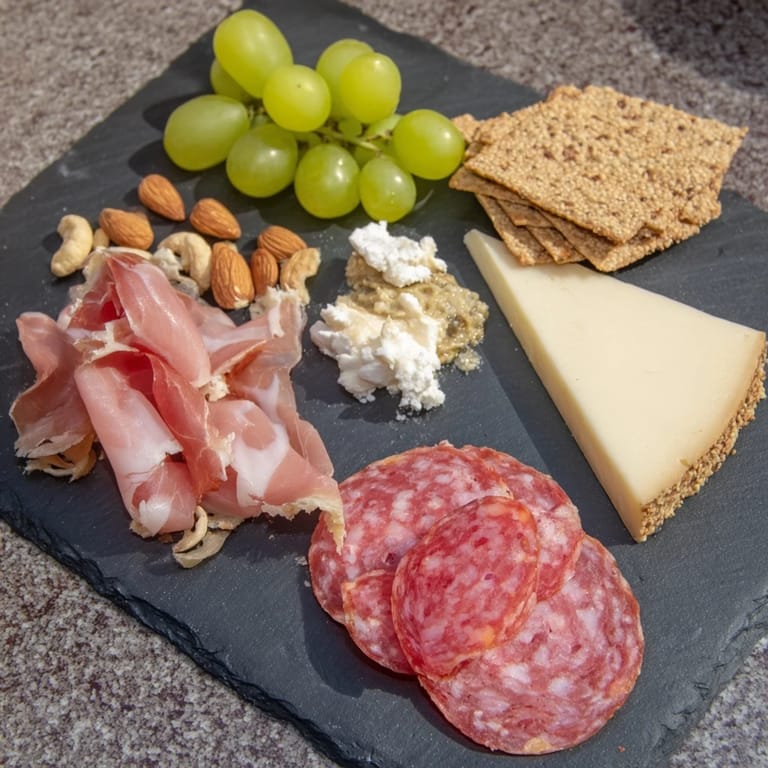
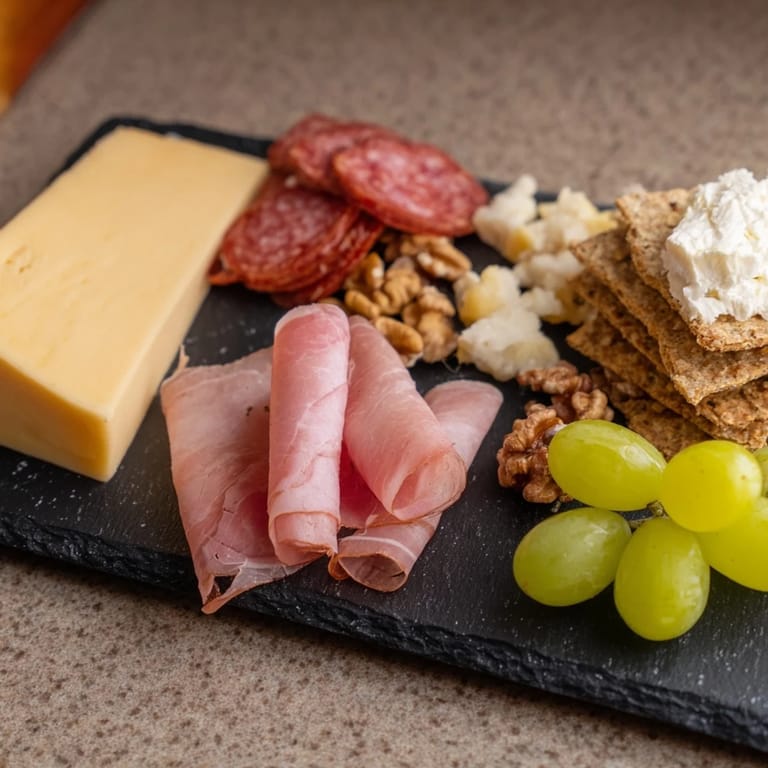
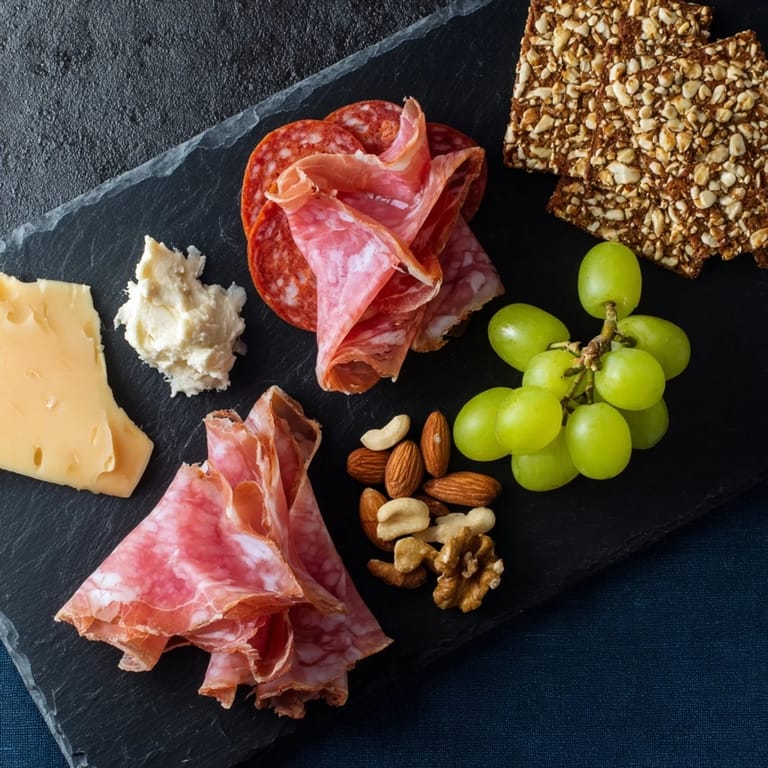
- Prosciutto: Two delicate slices that practically melt on your tongue. I learned to buy it sliced fresh from the butcher counter rather than pre-packaged, and the difference is remarkable—it's silkier and more flavorful.
- Soppressata or salami: Two slices of this adds a peppery depth. The slight chew and bold flavor ground the board, making every other ingredient taste more alive.
- Aged cheddar or brie: One ounce of a cheese with character. I prefer aged cheddar for its crystalline texture and nutty notes, but brie's creamy elegance works just as beautifully depending on your mood.
- Soft goat cheese or blue cheese: Another ounce of something completely different. The soft tanginess of goat cheese or the bold complexity of blue creates that crucial flavor contrast that makes the board interesting.
- Seedless grapes or fresh berries: A small handful brings natural sweetness and a burst of color. I learned that grapes should be chilled, and berries work best when they're at peak ripeness—they'll taste like summer itself.
- Mixed nuts: One tablespoon of almonds, walnuts, or whatever you have. They add crunch and richness, grounding all those delicate flavors.
- Cornichons or baby gherkins: Two to three pieces provide a sharp, briny punch that cleanses your palate between bites and wakes up your taste buds.
- Whole grain mustard: One teaspoon in a small dollop. This ingredient changed everything for me—instead of eating cheese and meat separately, the mustard ties them together into something greater.
- Small crackers or sliced baguette: Three to four pieces as your edible canvas. I prefer a sturdy cracker that won't shatter under the weight of cheese, but thinly sliced baguette has an elegance all its own. Use gluten-free if that suits you.
Tired of Takeout? 🥡
Get 10 meals you can make faster than delivery arrives. Seriously.
One email. No spam. Unsubscribe anytime.
Instructions
- Choose your stage:
- Select a small slate coaster or a beautiful appetizer plate. This isn't just practical—it's your way of saying this meal matters. I use whatever catches my eye that day, sometimes a cutting board, sometimes a vintage plate. The ritual of choosing it is part of the joy.
- Arrange the meats with intention:
- Fold or roll the prosciutto and soppressata gently, placing them on one side of your plate. Don't worry about perfection. I learned to let them drape naturally, almost carelessly, which somehow looks more elegant than anything I could force into shape.
- Position the cheeses mindfully:
- Place each cheese type in its own area, keeping them separate so you can taste each one fully. Notice how the textures and colors contrast. This visual arrangement is half the pleasure of eating.
- Fill the gaps with joy:
- Scatter your grapes or berries, nuts, and cornichons into the empty spaces. Arrange them so your eye flows naturally around the board. I think of it like painting—each element should lead you to the next discovery.
- Add the mustard moment:
- Place a small teaspoon dollop of whole grain mustard on the plate. This tiny addition is mighty—it's the ingredient that ties everything together and prevents the board from feeling one-note.
- Stack the crackers with care:
- Lean your crackers or baguette slices in a small stack where they'll be easy to grab. Make sure they're within reach of each component, setting up the journey you'll take with every bite.
- Step back and admire:
- Take a moment to look at your creation. Balance colors and shapes so the board feels harmonious and inviting. This pause is important—it shifts you from making to experiencing. Serve immediately while everything is at its best temperature.
 Pin it
 There was an afternoon when I made one of these boards while on a difficult phone call with a friend. We talked for an hour while I slowly, mindfully ate, and by the time I finished the board, my stress had melted away. The act of tasting, pausing between bites, and savoring each flavor had grounded me. I realized then that this simple board was doing something profound—it was teaching me to be present.
The Art of Solo Dining
There's a quiet confidence that comes from making something beautiful just for yourself, with no apologies and no need to impress anyone but your own palate. I used to feel slightly silly arranging a charcuterie board for one, as if it were indulgent or unnecessary. But I've learned that this is the most important meal to care for. When you eat alone, you listen to your food instead of the conversation. You taste it completely. The colors matter because they're for you. This board is an act of self-respect, and it's worth every thoughtful arrangement.
Pairing Your Board
The right drink elevates everything. A crisp white wine—something with acidity like a Sauvignon Blanc or Pinot Grigio—cuts through the richness of the cheese and complements the salty meats. If red is more your style, a light Pinot Noir won't overpower the delicate flavors. I've also discovered that sparkling water with a squeeze of lemon is wonderfully refreshing and lets the food be the star. Some days I pair it with tea, especially oolong or a light herbal blend. The pairing isn't about rules—it's about discovering what makes your palate sing.
Variations and Adaptations
The beauty of this board is its flexibility. Swap in whatever cheeses are calling to you—sharp Gruyère, creamy burrata, or a funky aged Gouda. Change the meats based on what you find or what you're craving. Add a small square of dark chocolate for a sweet-salty contrast that surprised me the first time I tried it. In winter, I add a drizzle of honey or a few roasted grapes. In summer, fresh figs sometimes replace the berries. This board is a conversation with what's in season and what appeals to you today.
- Keep an eye out for interesting condiments—a fig jam or hot pepper paste can add unexpected complexity
- Seasonal produce transforms the board; think roasted vegetables in fall or fresh stone fruit in summer
- Don't hesitate to add something unexpected, like a small piece of good dark chocolate or a drizzle of quality olive oil
 Pin it
 This simple board taught me that food doesn't need to be complicated to be meaningful. Sometimes the most nourishing meals are the ones where you slow down, truly taste, and treat yourself with kindness.
Common Questions
- → What meats are best for this board?
Prosciutto and soppressata or salami create a flavorful, varied cured meat selection that pairs well with creamy cheeses.
- → Which cheeses complement the meats?
Aged cheddar or brie combined with soft goat cheese or blue cheese provide contrasting textures and rich flavors.
- → Can this board be made gluten-free?
Yes, by choosing gluten-free crackers or omitting bread, the board can accommodate gluten-free diets.
- → What are good accompaniments to include?
Seedless grapes or fresh berries, mixed nuts, cornichons, and a dab of whole grain mustard add freshness and crunch.
- → How should I arrange the ingredients?
Place cured meats folded gently on one side, cheeses next to them, then fill gaps with fruit, nuts, and pickles for color balance.
- → Can I customize the board?
Absolutely, feel free to swap meats or cheeses based on preference or what’s available in your pantry.